Navigating Cancer Care: Understanding Treatments, Trials, and Survivor Support
In a world where the word 'cancer' can evoke anxiety and fear, understanding the landscape of cancer care can empower patients and their loved ones. Navigating through the complexities of oncology, especially when faced with a diagnosis of a malignant tumor or neoplasm, can feel overwhelming. Yet, knowledge is a powerful ally in this journey, allowing patients to become active participants in their healthcare. Throughout this blog, we will delve into cancer treatments, clinical trials, and survivor support, creating a comprehensive guide for anyone affected by cancer. After all, knowledge can help alleviate fear and replace it with hope and proactive disease management.
What if the key to fighting carcinogenesis was not just in advanced medical technologies, but also in the understanding of lifestyle changes and health awareness? This idea is becoming a key focus in modern cancer care. By fostering a belief system that emphasizes early detection, screening, and recognizing risk factors, patients can take charge of their health. Engaging in meaningful conversations about wellness and advocating for oneself can help demystify the complexities of treatment options available, like chemotherapy, immunotherapy, and radiation therapy. How much could your quality of life improve if you became not just a patient, but an informed advocate for your treatment plan?
When it comes to clinical trials, many patients might feel hesitant or wary. However, participating in medical research can be a gateway to accessing cutting-edge therapies that may not yet be widely available. Clinical trials are not merely a last resort; they represent an opportunity for patients to contribute to the broader understanding of cancer. They can also provide patients with new insights into their own tumors—because not all cancers respond the same way to treatments. Imagine finding a therapy that fits your unique cancer profile, due in part to your decision to participate in a trial! Cancer care isn’t a one-size-fits-all approach; it is a mosaic of personalized patient options.
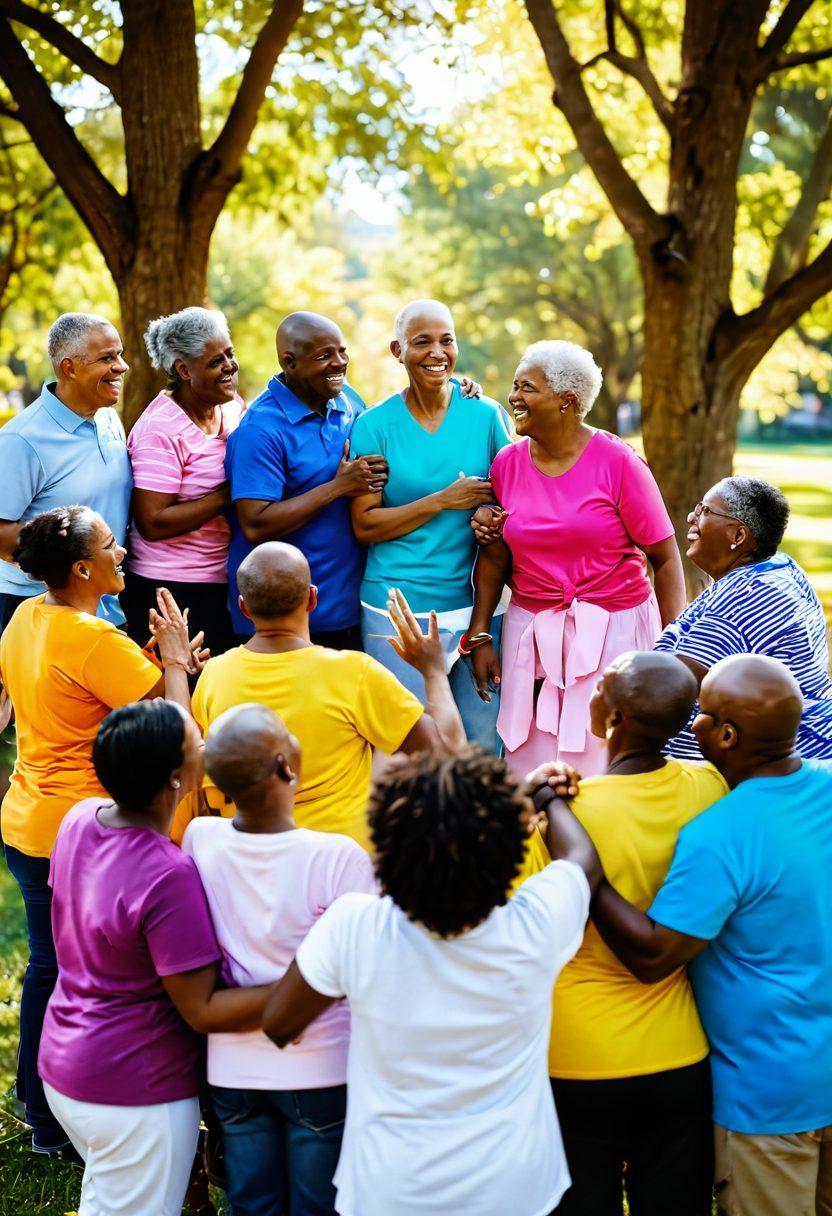
Survivor support isn’t just about overcoming treatment; it’s about thriving beyond cancer. Community resources and nonprofit organizations play a pivotal role in this stage of the journey. Engaging with support groups, attending wellness workshops, and participating in fundraising events can create a sense of solidarity among those living with cancer. In fact, many cancer survivors often recount how connecting with others has transformed their experience. “I never realized how powerful sharing my story could be,” says one survivor. Truly, a supportive community acts like a lighthouse, guiding you through stormy seas toward a more hopeful horizon.
The road to recovery may be filled with challenges, but it can also lead to profound personal growth. Each step taken towards understanding cancer treatments and the intricacies of clinical trials is a step towards empowerment. You are not defined by your diagnosis, but rather by your resilience. So, as you navigate through cancer care, consider how to become an advocate for yourself and others. Share resources, engage in meaningful conversations, and celebrate milestones—big or small. Remember, you have the right to be informed, supported, and empowered on this journey of living with cancer. Empower yourself and others, because together, we can redefine what it means to thrive after a cancer diagnosis.
Building Community: Resources and Support for Cancer Survivors and Their Families
In the face of malignancy, where fear often reigns, a sense of community can serve as a beacon of hope. Cancer care is as much about healing the heart and mind as it is about treating the physical tumor. For survivors and their families, building a strong support system becomes essential. But how do we find the right resources? How can we ensure that no one feels alone in this fight? This journey of supporting one another in the realm of oncology creates a rich tapestry woven from the threads of shared experiences, empowerment, and lifelong bonds that defy the statistics of survivorship.
As we navigate through the landscape of cancer, we must remember that survivor support isn't just about facing the disease; it's about rallying around those affected and their families. Nonprofit organizations play a pivotal role in this journey, offering crucial resources—from educational materials on disease management and healthcare access to community resources for mental and emotional wellness. These organizations sponsor events like fundraising walks that ignite a sense of purpose and unity among participants. "Together we can make a difference" becomes more than just a phrase; it transforms into a lifestyle, an advocacy for awareness that stretches beyond the individual and into the collective.
Exploring the realm of clinical trials and medical research gives a glimpse into the world of innovative therapies aimed at improving cancer care. It’s here that survivors and their families can find hope—a chance to contribute to oncology advancements that could transform future treatment options. Understanding the significance of participation in trials can be empowering, as these initiatives often introduce cutting-edge techniques like immunotherapy or combined radiation therapy, providing new avenues for healing. What if your involvement could pave the way for future generations?
Moreover, living with cancer is not just about the diagnosis; it's also about lifestyle changes that promote wellness and a better quality of life. From engaging in nutrition workshops to fitness programs catered to recovery, cancer survivors find that adapting their lifestyle can be incredibly rewarding. These community resources encourage more than just survival—they inspire living fully, embracing the present, and cherishing small victories. We must ask ourselves, how can we elevate our everyday choices to foster wellness in ourselves and those we love?
Ultimately, building a supportive community requires the recognition that the journey doesn't end once treatment is completed. Palliative care remains crucial in the ongoing narrative of cancer survivorship, focusing on comfort, accessibility, and holistic wellness. Survivor support transcends traditional patient care; it encompasses emotional backing, sharing of stories, and proactive health awareness. Ask yourself: Are you striving to create environments where conversations about cancer become less about fear and more about strength and resilience? In doing so, we usher in a new era of understanding—one where survivors, families, and communities can thrive together, fortified by shared experiences and unyielding hope.
From Diagnosis to Recovery: Key Insights into Disease Management and Wellness Strategies
The journey from a cancer diagnosis to recovery is often an overwhelming experience, one that throws patients and their families into a whirlwind of emotions and uncertainties. Think about the moment when you hear the words 'you have cancer'; it feels like the ground has shifted beneath your feet. Suddenly, you’re navigating a world filled with medical jargon, including terms like malignancy and neoplasm, while your thoughts race through oncology appointments, treatment strategies, and what the future holds. In this blog, we’ll delve into key insights into disease management, offering guidance that can help illuminate the path from diagnosis to recovery, while emphasizing the importance of patient support and community resources.
Understanding the various aspects of cancer care can help patients make informed decisions. You may find yourself contemplating options such as chemotherapy, radiation therapy, or immunotherapy, and it’s crucial to engage in robust discussions with your healthcare team. The vast landscape of medical research offers promising advancements and five innovative treatment modalities that may be suitable based on one's specific type of tumor or neoplasm. Have you researched the clinical trials that may provide access to groundbreaking therapies? By remaining informed, you empower yourself in the decision-making process and take an active role in your wellness journey.
Disease management, especially in the realm of cancer, is not a one-size-fits-all approach. Each individual has unique risk factors and personal circumstances to consider. Early detection through regular screenings can indeed make a significant difference in outcomes, so don't hesitate to prioritize your health awareness. What lifestyle changes can you incorporate to not only reduce your risk but also support your overall wellness? These changes could range from adopting a balanced diet to engaging in regular physical activity. Remember, it's about nurturing both your body and mind during this challenging phase.
It’s equally essential to discuss palliative care, which focuses on providing relief from the symptoms and stress of the disease. Many misconstrue palliative care as a final option; however, it can weave together seamlessly with curative therapies to enhance quality of life throughout the treatment process. This holistic approach shows that living with cancer involves addressing the emotional and psychological well-being of the patient. How can we foster a supportive environment for those going through treatment? Have you considered how family involvement or peer support groups can create a sense of community and belonging, ultimately enhancing resilience?
Finally, as we navigate this complex world of cancer care, we cannot underestimate the power of survivor support and advocacy. Millions of people are living with cancer, and each story shared creates a ripple effect of education and empowerment. Fundraising efforts and partnerships with nonprofit organizations play a vital role in driving awareness and funding for research that is essential to fighting cancer. So, how can you get involved? Whether through volunteering or promoting health initiatives, know that your voice matters. Together, we can celebrate victories, support those affected, and make strides toward a future where cancer becomes a manageable chapter rather than a final destination.